
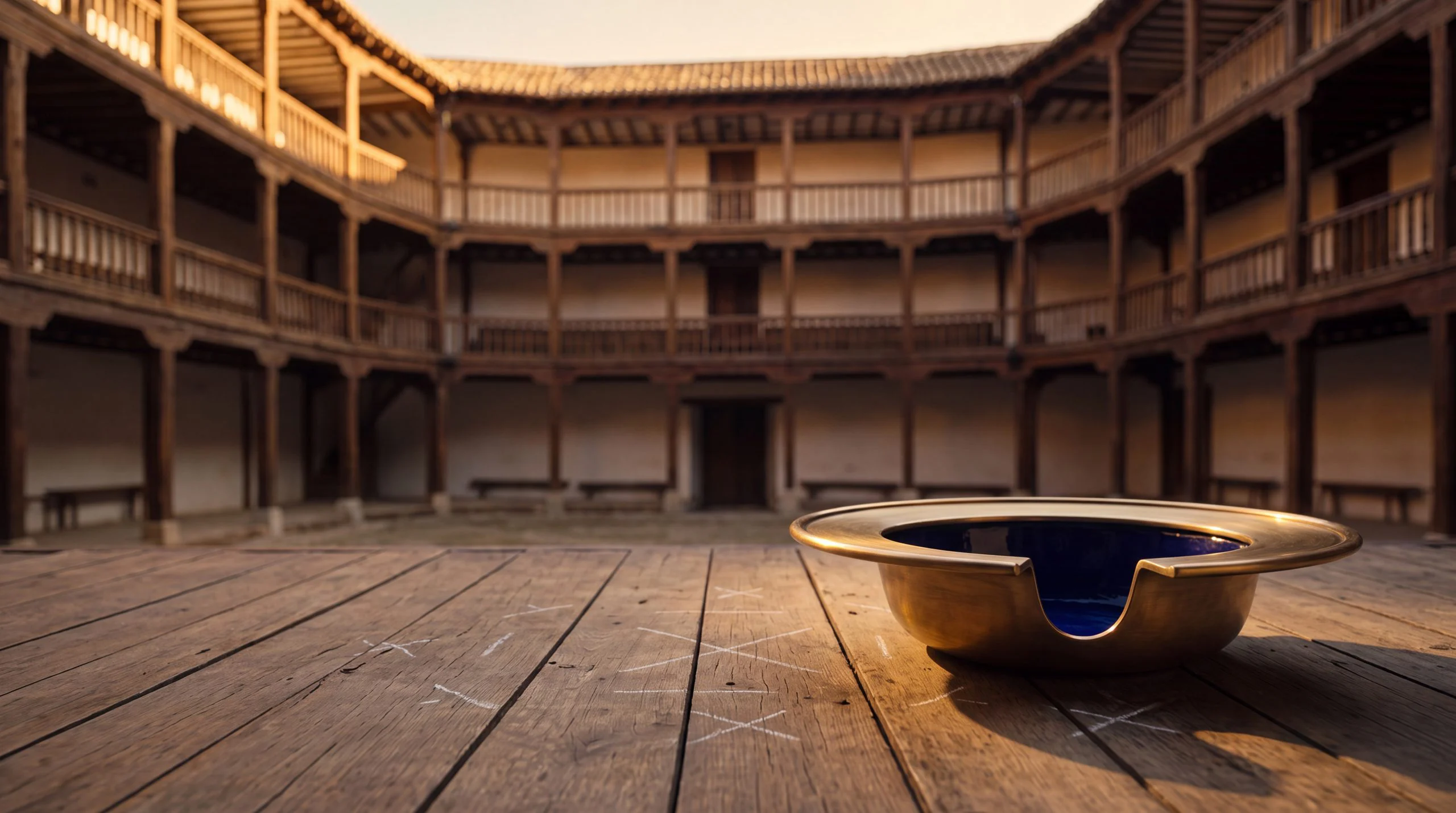
Quixote
Your work needs a second mind long before it needs a first reader.
The world sees a windmill. He sees your giant.
The pages are the last thing to show up. Before them: the idea, the outline, the theme you can’t articulate yet, the character who won’t come into focus, the structure that works everywhere except act two. That’s creative development. It’s most of what writing is, and writers mostly do it alone.
Quixote does it with you. Start when there’s nothing but a notion. Stay through the research, the outline, the draft, the rewrites. He’ll help you with all of that. Hand him pages and he’ll read every word and tell you what’s actually there — not what you meant, what’s there.
Flattery is useless to a writer. Quixote tells you the truth. If act two isn’t landing, he says act two isn’t landing, then helps you figure out why.
He won’t write it for you, though. Your work stops being yours the moment something else writes it. Instead, he thinks, and asks. What does she want? Why does this scene exist? Whatever happened to the promise you made on page one?
And your work stays private. Never stored, never shared, never used for training. In fact, Quixote’s training is entirely based on the public domain dramatic canon and on work licensed directly from writers at fair market rates. A knight-errant doesn’t steal.
Quixote won’t replace your workshop, your writers’ group, your trusted first reader. He gets you to them with better pages.
Writers write. Quixote helps.
Join the waitlist